Project information
Most technology demands your attention. Sunday are building the opposite: technology that gives back time. The company is tackling the hardest problems in robotics with a disarmingly simple ambition, freeing people from repetitive domestic tasks so they can spend time on the things that actually matter.
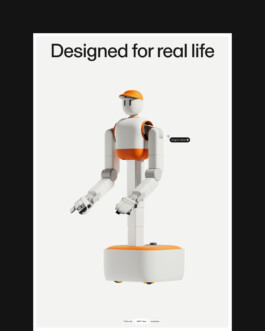
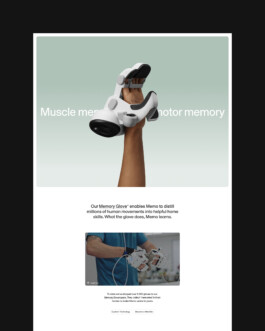
Sunday was founded by Tony Zhao and Cheng Chi, whose research fundamentally changed the way the robotics industry thinks, and builds. Sunday’s breakthrough - their proprietary Skill Capture Glove - allows robots to learn rapidly from an ever-expanding skill library. Powered by state of the art AI models, their fully autonomous home robot ‘Memo’ has unprecedented capability and dexterity.
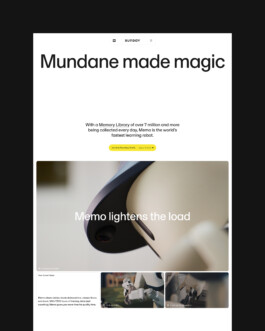
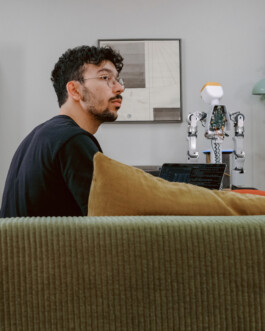
The team had spent over a year building in stealth, backed by investors including Benchmark, Conviction, Dylan Field (Figma), Kevin Weil (OpenAI) and Carl Pei (Nothing). As the team readied themselves for launch, we partnered with them to take Memo from the lab, into real life. Alongside our San Francisco partners Moniker, we introduced Memo the helpful home robot to the world - with a brand and site designed to build awareness and anticipation from future-buyers, VC’s, media and the robotics community.
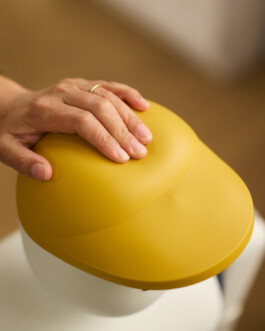
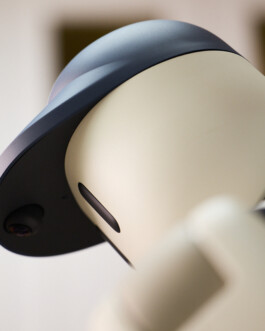
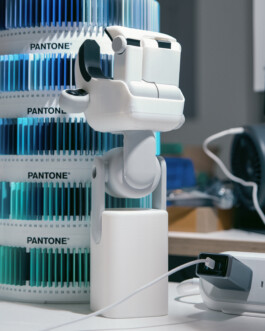
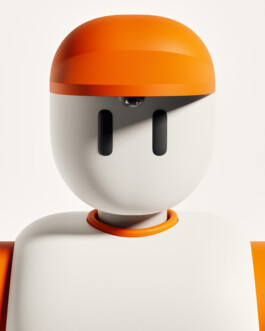
Memo itself is inherently friendly and accessible, a stark contrast to the uncanny valley of the competitive set. But its simplicity masks genuine technical sophistication: pioneering AI models, precision robotics and pragmatic engineering. Sunday's inherent duality, which we defined as ‘Playful Precision,’ shaped the work across brand strategy, identity system, messaging, site design and build, content creation and launch film. We articulated their mission and positioning as "Life, made lighter", a brand idea grounded in what robots should ultimately deliver: time returned.
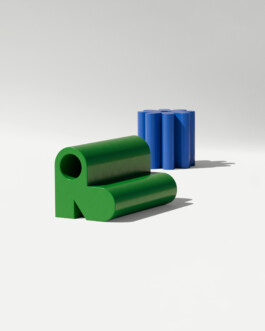
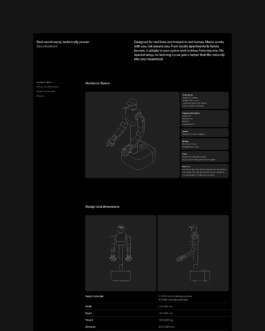
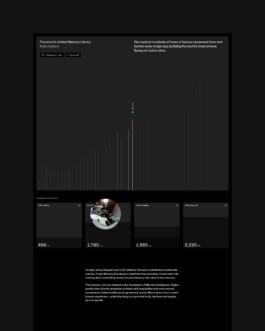
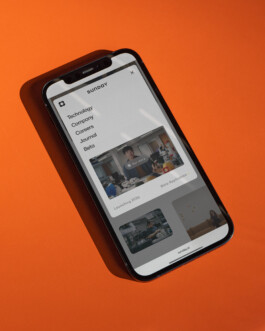
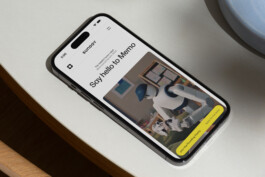
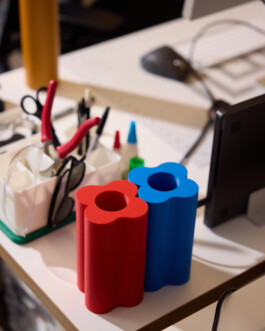
The identity reflect’s Memo’s distinct warmth and approachability: rounded corners and soft forms, a palette that echoes the product design, subtle motion that mimics Memo's compliant outer shell. The design system carries its technical side with equal conviction: dynamic data visualisations, detailed specifications, technical typography and a dark mode palette shift the tone from aspirational to engineered. The site follows suit, with cinematics of Memo working autonomously in real homes (establishing credibility and character in equal measure) while behind-the-scenes footage from the lab grounds everything in real science. Highly engineered interactions, transitions and animations mirror the precision of the product itself. Video, photography and 3D were produced alongside the brand rather than after it, so every piece of content shares the same strategic foundation. Playful micro-interactions, considered art direction and unhurried pacing let the product demonstrate itself. Nothing overshadows Memo; everything supports it.
The result is a brand and site as engaging and engineered as the robot it introduces.
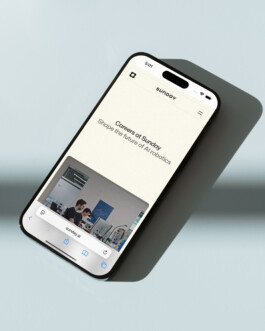
Upon launch, the waitlist filled within hours. Wired, Bloomberg, TechCrunch and more took notice. X and LinkedIn lit up. Over 10,000 job applications flooded in, with talent from Tesla, Google and OpenAI joining the Sunday mission. Within three months they raised their Series B, led by Coatue at a valuation of over $1.15bn.
Sector
Technology
Disciplines
Strategy
Brand
Experience
Technology
Project credits
Design
Brent Couchman
Sarath Chandran
Jeremy Evans
Dan Flynn
Monica Greenwald
Mikey Kelly
Denny Louis
Grey Larson
Nate Luetkehans
Sam Turner
Adam Vella
Strategy
Dan Flynn
Georgina Milne
Technology
Denny Louis
Sam Turner
Project managment
Sarah Danley
Collaborators
Client team
Cheng Chi
Camilla Guo
Fabian Fernandez-Han
Shy Yang
Tony Zhao
Typefaces
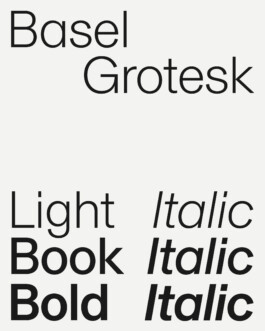
Basel Grotesk
Styrene


Project information
Most technology demands your attention. Sunday are building the opposite: technology that gives back time. The company is tackling the hardest problems in robotics with a disarmingly simple ambition, freeing people from repetitive domestic tasks so they can spend time on the things that actually matter.
Sunday was founded by Tony Zhao and Cheng Chi, whose research fundamentally changed the way the robotics industry thinks, and builds. Sunday’s breakthrough - their proprietary Skill Capture Glove - allows robots to learn rapidly from an ever-expanding skill library. Powered by state of the art AI models, their fully autonomous home robot ‘Memo’ has unprecedented capability and dexterity.
The team had spent over a year building in stealth, backed by investors including Benchmark, Conviction, Dylan Field (Figma), Kevin Weil (OpenAI) and Carl Pei (Nothing). As the team readied themselves for launch, we partnered with them to take Memo from the lab, into real life. Alongside our San Francisco partners Moniker, we introduced Memo the helpful home robot to the world - with a brand and site designed to build awareness and anticipation from future-buyers, VC’s, media and the robotics community.
Memo itself is inherently friendly and accessible, a stark contrast to the uncanny valley of the competitive set. But its simplicity masks genuine technical sophistication: pioneering AI models, precision robotics and pragmatic engineering. Sunday's inherent duality, which we defined as ‘Playful Precision,’ shaped the work across brand strategy, identity system, messaging, site design and build, content creation and launch film. We articulated their mission and positioning as "Life, made lighter", a brand idea grounded in what robots should ultimately deliver: time returned.
The identity reflect’s Memo’s distinct warmth and approachability: rounded corners and soft forms, a palette that echoes the product design, subtle motion that mimics Memo's compliant outer shell. The design system carries its technical side with equal conviction: dynamic data visualisations, detailed specifications, technical typography and a dark mode palette shift the tone from aspirational to engineered. The site follows suit, with cinematics of Memo working autonomously in real homes (establishing credibility and character in equal measure) while behind-the-scenes footage from the lab grounds everything in real science. Highly engineered interactions, transitions and animations mirror the precision of the product itself. Video, photography and 3D were produced alongside the brand rather than after it, so every piece of content shares the same strategic foundation. Playful micro-interactions, considered art direction and unhurried pacing let the product demonstrate itself. Nothing overshadows Memo; everything supports it.
The result is a brand and site as engaging and engineered as the robot it introduces.
Upon launch, the waitlist filled within hours. Wired, Bloomberg, TechCrunch and more took notice. X and LinkedIn lit up. Over 10,000 job applications flooded in, with talent from Tesla, Google and OpenAI joining the Sunday mission. Within three months they raised their Series B, led by Coatue at a valuation of over $1.15bn.
Sector
Technology
Disciplines
Strategy
Brand
Experience
Technology
Project credits
Design
Brent Couchman
Sarath Chandran
Jeremy Evans
Dan Flynn
Monica Greenwald
Mikey Kelly
Denny Louis
Grey Larson
Nate Luetkehans
Sam Turner
Adam Vella
Strategy
Dan Flynn
Georgina Milne
Technology
Denny Louis
Sam Turner
Project managment
Sarah Danley
Collaborators
Client team
Cheng Chi
Camilla Guo
Fabian Fernandez-Han
Shy Yang
Tony Zhao
Typefaces
Basel Grotesk
Styrene
© Standard Projects 2026
Studio
Office 3, Level 2
358 Lonsdale Street
Melbourne VIC 3000
Studio
Office 3, Level 2
358 Lonsdale Street
Melbourne VIC 3000